The Bodock Tree? Oh, You Mean the Horse Apple Tree…

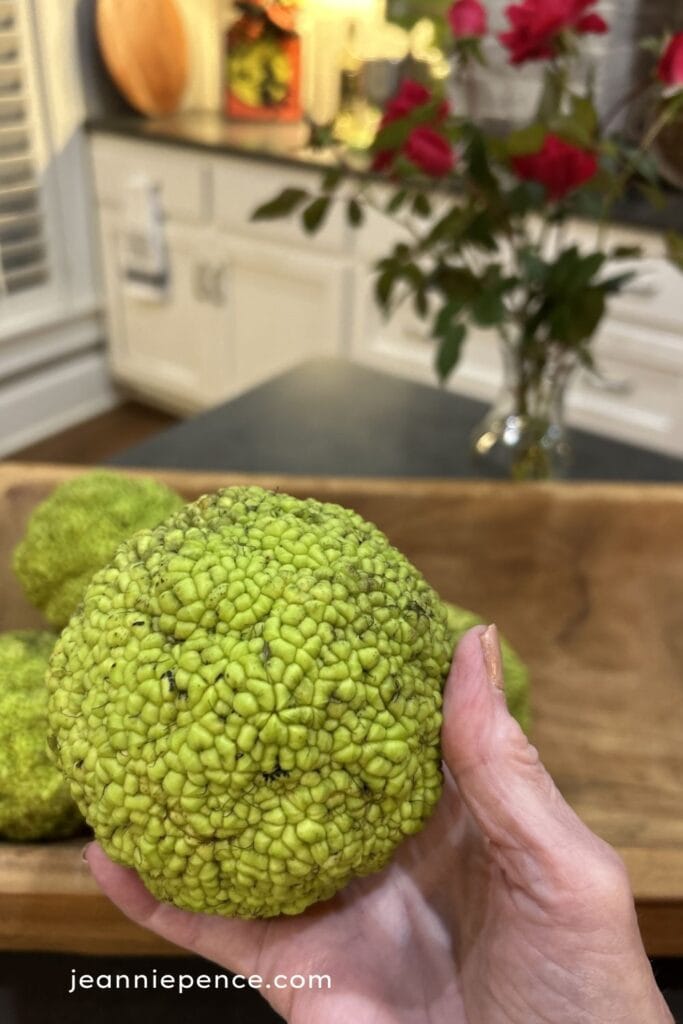
You’ve seen them. Big, lumpy green balls scattered across the ground like nature’s odd little brain sculptures. If you’ve ever wondered what kind of alien fruit those are — surprise! You’ve met the Bodock Tree, also known as the Osage Orange, or more commonly in the South, the Horse Apple Tree. No, you can’t eat them (and your horse probably won’t either), but these trees have a story worth telling — full of pioneer fences, Native American bows, and enough quirky folklore to fill a whole fruit basket.
Where Did the Name ‘Bodock’ Come From?
Like many good Southern words, “Bodock” is a creative twist on the French term “bois d’arc”, which means “wood of the bow.” Why? Because Native American tribes — especially the Osage — prized its strong, flexible wood for making some of the best bows around. Early settlers tried pronouncing “bois d’arc,” and somewhere between chopping firewood and fixing fences, it turned into “Bodark,” “Bodock,” or even “Bowdark.” However you say it, just know it’s the same tough-as-nails tree with the bright green brain balls underneath.
The Osage people were originally from the Ohio River Valley, but by the 17th century, they had migrated west and were primarily located in what is now Missouri, Arkansas, Kansas, and Oklahoma. The tree we call the Bodock was especially abundant in their territory, and the Osage were well known for crafting powerful bows from its wood.
So… Why “Horse Apple”?
Well, the name “Horse Apple” probably came from good ol’ observation: the fruit falls from the tree in big, round, lumpy green balls that look a little like oversized apples — if apples had been designed by a tree with a sense of humor. While the fruit isn’t actually edible (for humans or most animals), horses have occasionally been seen sniffing, nibbling, or just plain playing with them — hence the name. It stuck, like the sap that oozes out if you crack one open. Fun to look at? Absolutely. Tasty? Not even a little.
What Can You Actually Do with a Bodock Ball?
Let’s be real — they’re not going in a pie anytime soon. But that doesn’t mean they’re useless! People have found plenty of quirky, creative, and even slightly superstitious ways to use these oddballs of nature:
Funny enough, Browser and I were out for a walk the other day when we spotted a bunch of these bumpy green “apples” scattered along the roadside. (Browser wasn’t impressed, but I sure was!) That’s when I remembered how much I love seeing them used in fall decorating.
Here are a few ways folks make use of them:
- Fall Decor Staple: Their bright green, brainy look makes them perfect for rustic centerpieces, porch baskets, or fall tablescapes — especially if you’re going for that “just wandered through the woods and found this” aesthetic.
- Pest Repellent… Maybe?: Some folks swear horse apples keep away spiders and mice if you toss a few in the basement or garage. Science says “meh,” but hey, it’s natural and harmless, so why not give it a try?
- Compost (Eventually): They’re dense and slow to break down, but if you chop them up and toss them into your compost pile, they’ll get there eventually.
- Squirrel Enrichment: You might spot a determined squirrel digging through one to get to the seeds inside. It’s like nature’s version of a puzzle toy.
Just remember — they’re not for eating, and they can get messy if left indoors. But for adding a bit of wild charm to your fall vibe? They’re a solid win. I may try letting these dry and see what they look like in the end.

The Bodock Tree’s Best Kept Secret: The Wood
Forget the fruit — the real star of the Bodock tree might just be the wood. It’s dense, heavy, and practically indestructible, which is why old-timers used it for everything from fence posts to tool handles. In fact, some of those original fence posts are still standing today, decades later.

It’s also a favorite among woodworkers and craftsmen. The heartwood has a beautiful golden-orange glow when freshly cut, which deepens into rich browns over time. Perfect for turning, carving, and even firewood (if you can split it — good luck!). Basically, if you need wood that’ll outlast you, Bodock has your back.
Watch Your Head… and Your Lawn Mower
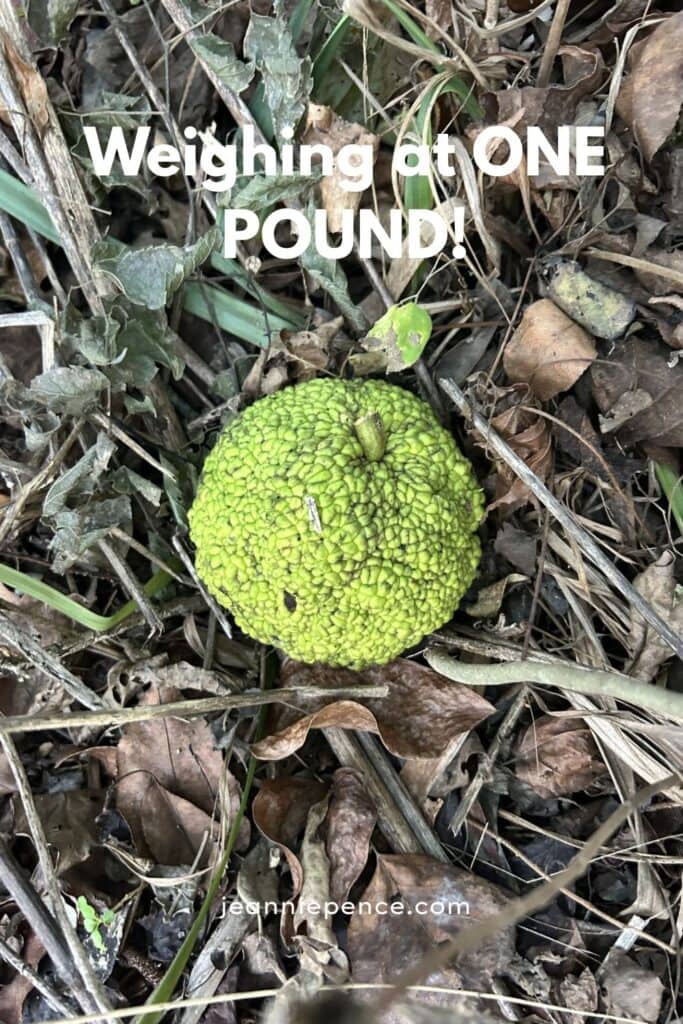
One last thing — these Bodock balls aren’t just odd-looking, they’re surprisingly heavy. I weighed one I picked up, and it was just over a pound! That’s not exactly something you want falling on your head. And word to the wise: don’t run over them with your lawnmower. They’re tough, dense, and can do a number on your blades. Best to admire them from the ground… not scattered across the yard.